Hollywood on the Nile, which produced up to 100…

CAIRO, April 22 — Hollywood on the Nile, which produced up to 100 feature films a year in its heyday in the 1940s and 1950s, appears to be in a nosedive. As late as 1993, the Arab world’s pioneering film industry in Cairo turned out 76 features — putting Egypt among the world’s top 10 producers. But the production figure dropped to only 22 in 1994, the Film Producers’ Association says, and prospects look equally dismal for 1995, the 100th anniversary of the start of the Egyptian film industry. Heavy taxes, censorship, satellite dishes and video piracy are cited as the major causes of the decline, including a large problem with video piracy in the United States. Producer Youssef Francis claims the Egyptian government levies no less than 36 fees and taxes on filmmakers, distributors and exhibitors, and says many producers are simply throwing in the towel. ‘The government has got to get off our backs,’ Francis says. ‘It is driving us out of business.’ ‘It would be unfortunate if in the same year we are celebrating 100 years of cinema, we should also be burying our own film industry,’ says veteran Egyptian director Youssef Shahine. Taxes range from 35 percent on theater tickets for the Ministry of Finance down to such nuisance fees as 3 cents per ticket for the Ministry of Social Affairs and another 3 cents for the Police Benevolent Society. Sometimes capricious censors offer further discouragement. The state censor’s office, which is attached to the Ministry of Culture, has set up a three-stage obstacle course for movies seeking approval — with yet more taxes and fees along the way.

First, a film’s story synopsis must be approved. After that, the censor scrutinizes the finished script. Finally, the completed film goes back to the censor for release approval. Where dialogue or scenes have been altered from the original script — not an unusual occurrence in the film production process — the producer runs the risk of seeing his investment go down the drain if the finished product is ultimately banned. Heavy scissor work is sometimes required to secure a film’s release. ‘The censor may make many cuts which can completely distort the film,’ says leading Cairo film critic Mustafa Darwish. Producers also complain that the Ministry of Tourism charges $75 an hour to use such sites as the Great Pyramids of Giza or Pharaonic temples as film backdrops — even though their presence in a film might encourage tourism. Egypt’s state-run television network pays producers only $2,500 to air previously released feature films in their entirety, but at the same time charges up to $1,000 a minute to advertise new films. (more)

cairo x x x advertise new films.

Widespread video piracy is a major problem, industry sources say. Paradoxically, the United States is cited by the producers’ association as a major culprit despite Washington’s recent war of words with Beijing over Chinese thefts of U.S. films and other intellectual property. Industry reports say U.S. piracy of Arabic-language films centers on major cities like New York and Los Angeles, which are home to large Arab immigrant communities. Francis, the producer, says he found all eight of the films he had produced for sale or rent in Arabic-language video outlets in Los Angeles during a recent trip to the United States. ‘They were all stolen and I’m not getting a dime in royalty,’ he complains. Producers charge the U.S. government with failing to help combat the problem. ‘The United States is keen to protect its own interests, but nobody else seems to count with the Americans,’ says producer Yussri Ashamwi of Karnak International Film. Egypt started producing silent features as early as 1923. Its first large production facility, Studio Misr, was founded in 1935 on the Hollywood model and three more studios followed. All are still operating, but these days directors are more apt to be yelling ‘action’ on TV soap operas than feature films. Television is also driving nails into the Egyptian film industry’s coffin — especially satellite stations watched by increasing numbers of Egyptians and other Arabs. Uncensored foreign movies and other entertainment from satellite sources keep many traditional filmgoers at home. Film critics point out, however, that at least some of the blame for the Egyptian cinema’s decline rests with the producers themselves. ‘You won’t fill the cinemas if you just feed the public trash,’ says the critic Darwish, adding that many recent films are pot-boilers or heavy-handed slapstick comedies mixed with belly-dancing and mildly suggestive songs. Many have flopped at the box office. Critics maintain there is a largely untapped market for thoughtful Arabic-language films, a theory proven by the two biggest financial successes in Egypt in 1994. Both were essentially serious films — ‘The Terrorist,’ starring actor Adel Imam, the Arab world’s leading box office draw, and Youssef Shahine’s ‘The Emigrant.’ ‘The Terrorist’ was the first Egyptian film to address the issue of religious extremism. It ran for over four months in major Egyptian cinemas and reportedly did spectacular business in other Arab countries.

أوسكار وهيمنة مصنع الأحلام

هيمنة هوليوود على السينما العالمية أمر لا يجادل فيه الآن سوى نفر أقل من القليل.

وهي هيمنة ترجع ارهاصاتها إلى ما قبل الحرب العالمية الأولى بقليل، وعصر السلام الجميل على وشك الرحيل.

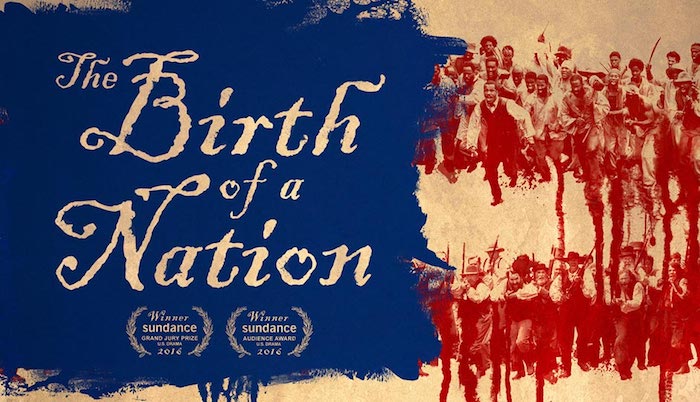
ولعل أول أرهاصة لها “ميلاد أمة” أول فيلم يشاهده الرئيس الأمريكى “ويلسون” في البيت الأبيض فيعبر عن دهشته واعجابه بروعة الأطياف التى مرت أمام عينيه قائلاً أنه رأى “التاريخ مكتوباً بالبرق”.

ومن بين الارهاصات ظهور نظام النجوم ونجاحه نجاحاً منقطع النظير بحيث أصبح ممثلون كشارلي شابلن “وماري بيكفورد” و”دوجلاس فيربانكس” ــ كانوا إلى عهد قريب مغمورين ــ فجأة من المشاهير، بسحر الصورة المتحركة تجري أسماؤهم على كل لسان، لهم عشاق فى كل مكان. 

الصمت والكلام

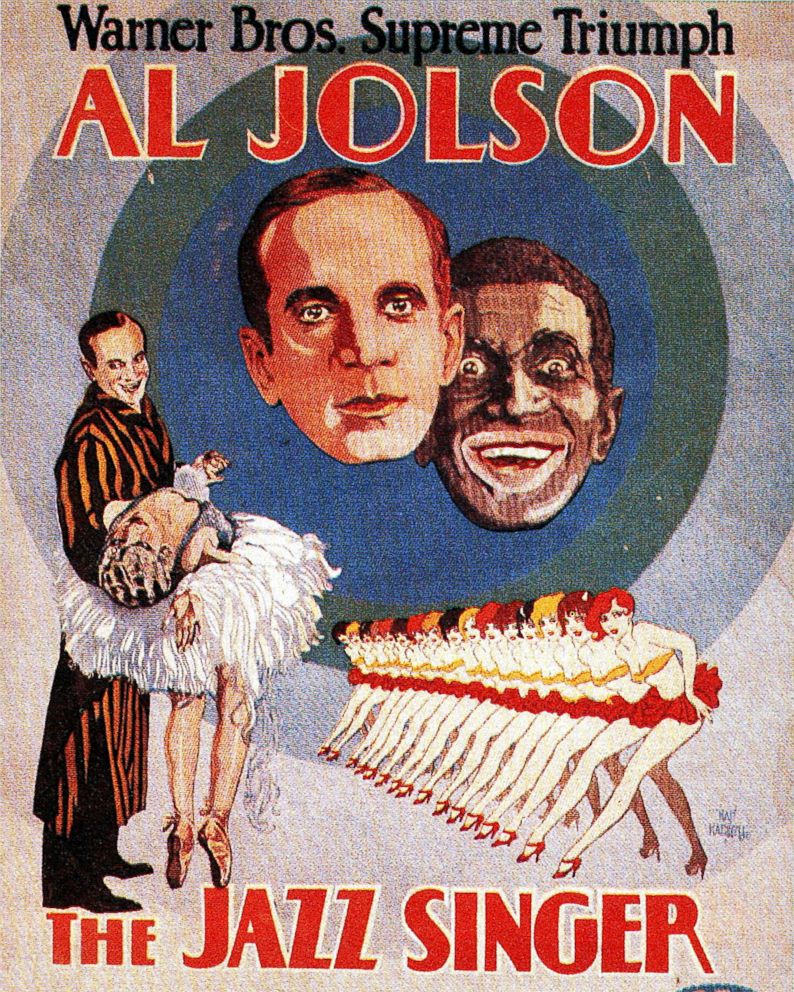
وبعد منتصف عقد العشرينات بعام وبضع عام ــ انفردت السينما الأمريكية بالكلام، يوم السادس من أكتوبر 1927، ففى ذلك اليوم تحقق ما كان يحلم به السينمائيون منذ أن تحركت الأطياف 1895 عندما نطقت السينما للمرة الأولى في الفيلم الأمريكى “مغني الجاز”.

وبدءًا منه والأفلام لا تكف عن الكلام والصوت يرقى فيها على الدوام.

وفي هذه الاثناء ظهرت فى المانيا السينما المسماة بالتعبيرية.

وفي روسيا البلشيفية، سينما اتسمت بالواقعية والاشتراكية.

وتحت تأثير الديكتاتورية في هذين البلدين الكبيرين سرعان ما تدهورت السينما، فأصبحت بوق دعاية مباشرة، فجة، لا هم لها إلا تمجيد عبادة الزعيم هتلر في المانيا، والرفيق ستالين في روسيا.

حقا كانت أزمنة عصيبة لم يستفيد منها إلا مصنع الاحلام في هوليوود.

سر الهيمنة

فقد أتاحت له فرصة الهيمنة على السينما العالمية بأفلامه المتعددة الأنواع المشارك في إبداعها مخرجون موهبون بعضهم هارب من نير النازية.

وتلك الهيمنة ترجع إلى عدة أسباب لعل أهمها:

أولاً: توافر حرية التعبير للسينمائين في الولايات المتحدة، دون زملائهم خارجها على امتداد العالم الفسيح.

ثانياً: السبق الأمريكى في الاختراع والاسراع بتطبيقه عملياً في جميع المجالات، وفي مقدمتها صناعة الأطياف.

ثالثاً: أزدهار نظام النجوم حتى أن شركة كبيرة مثل مترو جولدين ماير كانت تتفاخر على “شركات هوليوود الأخرى بأن نجومها أكثر عدداً من تلك التي في السماء!!”.

رابعاً: ابتداع الاوسكار، وحفل توزيع جوائزها سنوياً بدءًا من 1927، سنة انطلاق السينما من الصمت إلى الكلام.

والحق أن مبتدعي الأوسكار كانوا بعيدي النظر إلى حد كبير.

فعلى مر السنين أصبح لها شأن عظيم في الدعاية لمستحضرات هوليوود على امتداد العالم شرقاً وغرباً.

ويكفي في هذا الخصوص الدعاية التى تتحقق لصالح أفلام مصنع الأحلام بفضل الحفل السنوي الذي يُقام في الأيام الأخيرة من شهر مارس حيث يجري إعلان الجوائز وتوزيعها أمام حشد من مشاهير النجوم، يشاهده على الشاشات الصغيرة ألف متفرج أو يزيد، منهم من يراهن على فوز أو خسارة الأفلام المتنافسة والمشاركين في ابداعها بعزيز المدخرات.

وحفل الأوسكار يجري الاستعداد له في وقت مبكر والسنة على وشك الانتهاء، عندئذ يسرع المتنجون بعرض أفلامهم داخل الولايات المتحدة، ولو في دار واحدة، وذلك بأمل اكتساب حق الاشتراك بها فى مضمار المنافسة على الأوسكار.

وما أن ترحل السنة، وتنتهي أجازات أعياد الميلاد ورأس السنة الجديدة حتى يجتمع أعضاء اتحادات نقاد السينما فى أكثر من مدينة كبيرة للتداول في أمر الأفلام التى يرونها جديرة بالتقدير.

ولعل أعلى تلك الاتحادات مقاماً اتحاد نقاد نيويورك ولوس انجلس.

الكرة الذهبية

ومع ذلك فاتحاد الصحفيين الأجانب بلوس انجلس ــ وليس هذين الاتحادين ــ هو الذي يُعمل لجوائزه المسماة الكرة الذهبية ألف حساب لماذا؟

لانها تفتح للفائزين بها أبواب الأوسكار ومن هنا انتظار النجوم وصانعي الأفلام حفل توزيع الجوائز بفارغ الصبر. فالمؤكد ترشيح الفائزين بها فى ذلك الحفل للأوسكار.

وفي معظم الأحوال تكون، أى جائزة الأوسكار من نصيبهم فى نهاية المطاف.

ومصداقاً لذلك حظ الأفلام الفائزة بالكرة الذهبية من الأوسكار خلال الأعوام العشرة الأخيرة؛ ففيما عدا فيلمين فقط فازت جميع الأفلام الأخرى بالأوسكار.

الانتصار والاندحار

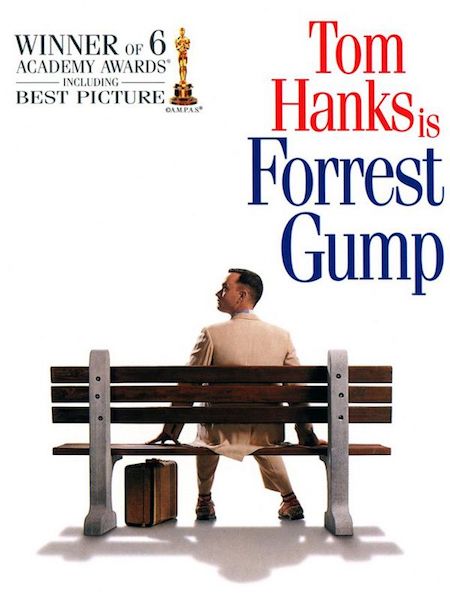
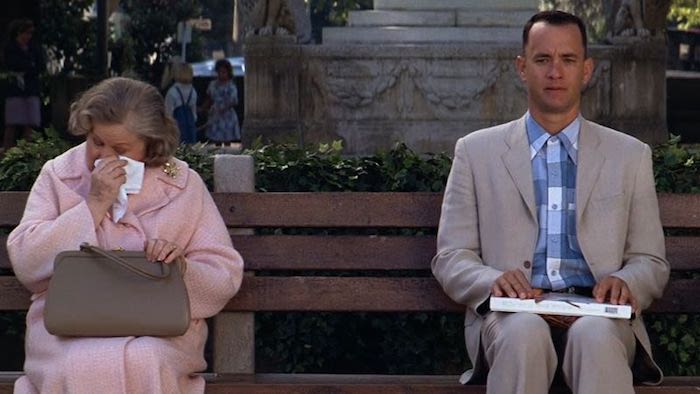
وعلى كُلٍ، فقبل أسابيع قليلة فاز “فورست جامب” بالكرة الذهبية باعتباره أحسن فيلم ويلعب الدور الرئيسى فيه “توم هانكس”.

وعن أدائه لذلك الدور فاز هو الآخر بالكرة كما فاز بها مخرج “روبرت زيميكيس” صاحب “الأرنب روجرز” و”العودة إلى المستقبل”.

ولا يضارع “فورست جامب” في عدد الكرات الذهبية الفائز بها أي فيلم آخر.

ففيلم “أدب رخيص” الذي كان منافساً خطيراً له لم يفز إلا بكرة واحدة وهي الكرة المخصصة للسناريو. والغريب أن يندحر هكذا أمام “فورست جامب”.

ووجه الاستغراب أنه قبل إعلان نتائج الكرة بأيام كان نقاد السينما في لوس انجلس قد اختاروا أحسن فيلم. ولم يكتفوا بذلك، بل جنحوا إلى منح الكرة إلى اثنين من مبدعيه، مخرجه “كوينتين تارانتينو” ونجمه “جون ترافولتا”. وشاركهم في تفضيل “تارانتينو” على “زيميكيس” المجلس القومي لعارضي الأفلام واتحاد نقاد السينما في نيويورك. وليس من شك أن كلا الفيلمين “فورست جامب” و”أدب رخيص” سيجري ترشيحه للأوسكار.

ملك الغابة

وأغلب الظن أنه سيكون من بين الأفلام المرشحة معها “الأسد ملك الغابة” الذي حقق ايرادات مذهلة في تفوق ايرادات “حديقة الديناصورات” بعد حين. كما فاز بالكرة الذهبية الخاصة بالأفلام الكوميدية أو الموسيقية، باعتباره من ذلك النوع من الأفلام، وذلك رغم أنه متأثر إلى حد كبير بمأساة هاملت أمير الدانمارك، للشاعر ويليم شكسبير!!.

توقعات لا نبوءات

وفي اعتقادي أن أوسكار أحسن فيلم ومخرج وممثل رئيسى، ستكون من نصيب “فورست جامب” ومخرجه “زيميكيس” ونجمه”هانكس”. ففضلاً عن فوز الثلاثة بالكرة فالفيلم حقق ايرادات فاقت كل التصورات هذا إلى أنه خال من ذلك العنف الدموي، وتلك الألفاظ البذيئة الزاخر بها “أدب رخيص” الفيلم المنافس له.

والأهم أن موضوعه مس وتراً حساساً فى الشعب الأمريكى، وخاصة الشرائح العليا من طبقته المتوسطة الواسعة للنفوذ، بحيث أصبح بفضله من الأفلام الأمريكية القليلة التى من كثرة الكلام عنها تحولت إلى رمز لحال أمريكا وأهلها. ومن بين تلك الأفلام أذكر “مولد أمة” و”أعناب الغضب” و”ذهب مع الريح” و”الأب الروحي” و”آى تي”.

الطيبة المجزية

والموضوع الذي نحن بازائه يعتمد على شخص واحد، هو البطل “فوريست جامب” ومن حوله أشخاص كثيرون لكل منهم مكانه واثره، أمه، رفاقة في المدرسة، وحبيبته، الفيس برسلي، جون ليتون حاكم الولاية “جورج دالاس”. المحاربون معه في فيتنام، الرؤساء كينيدى، جونسون ونيكسون.

 والبطل “جامب” أقل ذكاء من المعتاد بل يكاد يكون معوقاً. ومع ذلك استطاع بفضل أولاً تمسكه بأهداب الفضائل والمبادئ التى لقنتها له أمه وهو صغير وثانياً قيامه بانجاز أية مهمة اسندت إليه على خير وجه، مهما كانت الصعاب، استطاع تجاوز جيمع العقبات، ولا اقول صنع المعجزات.

وها هو ذا متفوق حتى على هؤلاء المقول بأنهم أكثر منه فطنة وذكاء. فقد أصبح ثرياً، وفاز بمحبوبته، ومنها أنجب طفلاً رائعاً.

ولنجاحه على هذا الوجه، رغم كل المعوقات أصبح “جامب” تجسيداً لتوجسات ومخاوف الأمريكيين المتولدة عن فقدانهم الثقة بأنفسهم لظنهم أنهم ليسوا على مستوى التحديات وما فشلهم إلا عقاباً يستحقونه عما اقترفوه في حق أنفسهم.

ومن هنا اعتبارهم انتصار”جامب” وكأنه انتصارهم.

فجامب والحق يقال لا يعدو أن يكون إعادة بناء عبقري من قبل “زيميكيس” وهو من مدرسة ستيفن سبيلبرج” لخرافة أمريكا التى أصبحت هشيماً في أثناء عقد الستينات. فأمريكا حسب “جامب” بلد متحرر من الطبقات بلا تاريخ عنصري بدون ماض أبيد فيه الهنود الحمر.

بلد لا يعاني سكانه من استلاب الأشياء “فجامب” يمشي لابساً ثوب الحياة، ببراءة وطيبة، بهما يخلص الجميع من عواقب الآثام في بلد تتحقق فيه كل الأحلام.

قضية المرأة ومكانتها في سينما العالم الثالث

Women are both essential and marginal in society: they are essential by virtue of being half of society, present in all classes and social groups. They are also marginalized given the economic, social and political roles they are assigned. Despite the fact that the first feature film was made by a woman, Alice Guy (1896), film – making remains predominantly a male profession. In Egypt, voices upholding women’s rights go back to the nineteenth century, but they have not been reinforced by the Seventh Art. At worst, women were presented unrealistically, stupidly, sentimentally and exploitatively (see for example Stephan Rosti’s film Layla, 1927). At best a more positive image was presented, but with it went the reduction of a woman’s problem to the question of her relationship to man (see for example Sa’id Marzuq’s film I want A Solution, 1975). The Third World, however, has offered fine alternatives in films that present intelligently and artistically the question of women. Two examples, one made in a revolutionary context and the other in a reactionary one, show how feminist issues can be sensitively depicted in their complexity on screen. Lucia (1968) by the Cuban director Humberto Solas and Yol (1982) by the Turkish director Yilmaz Güney attest to the possibility of a new vision of the question of women. Lucia presents in three cycles the lives of an aristocratic, a bourgeois and a peasant woman, all three named Lucia. Solas makes artistic use of techniques developed by European and Japanese directors to articulate his own views. Aristocratic Lucia is caught between her passionate love and international politics. She ends in madness. Lucia, the bourgeoise, on the other hand, chooses to join her revolutionary husband, and when he dies, she suffers alone. She is a subject of contemplation, not a maker of history. Finally, Lucia the peasant woman is presented with a realistic and somewhat satiric tone amidst the contradictions of post – revolutionary Cuba. This cycle depicts the complexity and inconsistency of Lucia’s position and humorously suggests the possibility of resolution. Yol (The Road) was partly conceived and directed when Güney was in jail in Turkey. The heroes of the film are prisoners allowed a short holiday. As they leave their actual prison, the director deftly shows how they are prisoners of traditions. Unable to escape the prison-house of patriarchal models, the characters are pathetically and unwittingly preserving authoritarian structures rather than maintaining human relations with their families. In subjugating women to unflexible rules, they are not the only ones victimized: men and society are also dragged into the tragic situation.