قصة سقوط وصعود

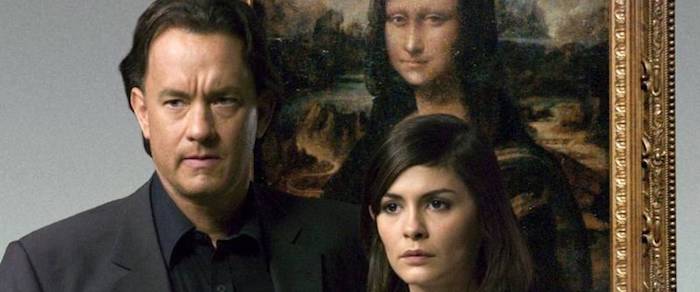
اعتراني الذهول وأنا اقرأ في جريدة ذات جلال في كل العهود عنواناً جرت كلماته على الوجه الآتي “شفرة داڤنشي”.. مرفوض مرفوض!

وتفسيراً له جاء تحته أن لجنة الثقافة والاعلام والسياحة بمجلس الشورى أكدت ضرورة حظر عرض الفيلم الامريكي “شفرة داڤنشي” داخل دور العرض المصرية لما به من الكثير من الافتراءات والأكاذيب عن السيد المسيح. ومما خفف من وضع العنوان البائس والتفسير له الأكثر بؤساً، ما قرأته في مجلة هي الأخرى ذات جلال، وحاصله أن الكنيسة المصرية اتخذت موقفاً مستقلاً ورزيناً يخلص في أنها قررت عدم المطالبة بمنع الفيلم، وفي نفس الوقت تقديم النصح إلى رعاياها بعدم مشاهدته.

انزعاج فانشراح

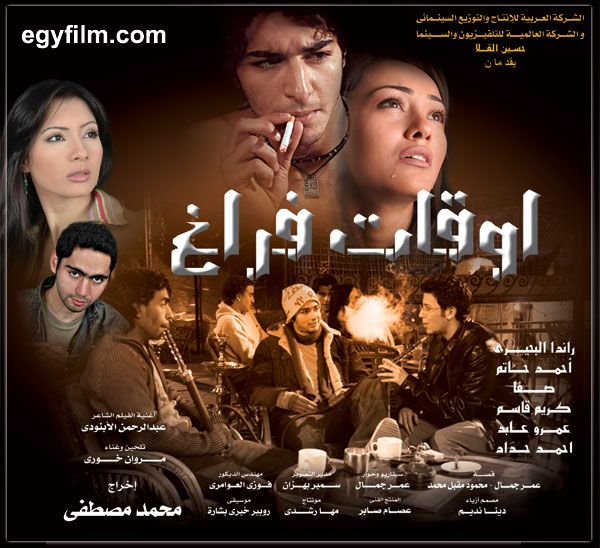
ومثلما اعتراني الذهول عند قراءة العنوان البائس وجدتني مذهولاً وأنا أشاهد “أوقات فراغ” أول فيلم روائي طويل يخرجه “محمد مصطفى” ذلك الفنان الذي ظل يعمل مساعد مخرج زهاء ربع قرن من عمر الزمان.

ولم يكن ذهولي مرده الانزعاج، وإنما الدهشة الممزوجة بالانشراح.

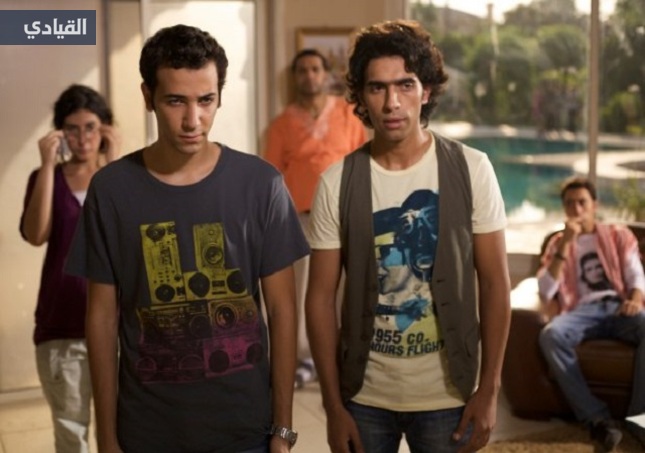
فمؤلف السيناريو المستمد منه الفيلم واسمه “عمر جمال” ليس له من العمر سوى عشرين عاماً أو أقل قليلاً، وكذلك حال أبطال الفيلم أحمد حاتم وعمروعابد وكريم قاسم وأحمد حداد، كلهم من نفس السن كلهم لم يسبق لهم الوقوف أمام الكاميرا.

ومع ذلك قدم السيناريو المعاني التي يدور حولها الفيلم بجلاء ومنطق واضح يترتب لاحقه على سابقه وأدى الأبطال الأربعة أدوارهم بإتقان منقطع النظير. وكم كان مذهلاً أن نراهم على الشاشة بوجوههم الصافية، الجذابة، وملامحهم القلقة وعيونهم الحادة الضاحكة وهم يصورون شقاوة الأولاد المحرومين من الحنان ومعاناتهم من الفراغ.

حسن الأداء

ولايفوتني هنا أن أشيد بأداء راندا البحيري وصفاء، الأولى في دور “منة” الفتاه التي يفقدها عذريتها “حازم” الفتى الثري الطائش ويؤدي دوره أحمد حاتم.

والثانية في دور “مي” الفتاة العاقلة التي تعامل “أحمد” الفتى الضائع المدمن ويؤدي دوره عمرعابد – وكأنه ابن قابل للصلاح، وإذا ما اكتشفت أنه لايزال سادراً في غيه، حسمت الأمر بقطع كل صلة به.

عناية بالتفاصيل

ومن بين مزايا الفيلم الأخرى أن مخرجه عرف كيف ينقل إلينا خلال التفاصيل جو الحياة التي يعيشها شباب أفقده الفراغ والانحراف الجنسي وتعاطي المخدرات أي شعور بالمسئولية والانتماء، وباعد بينه وبين أي شكل من أشكال الالتزام.

حلقة مفرغة

يبقى لي أن أقول أنه كما بدأ الفيلم في فاتحته بالأصدقاء الثلاثة حازم وأحمد وعمرو و”كريم قاسم” هم في حالة ضياع، انتهى بهم في خاتمته وهم أكثر ضياعاً داخل مقصوره في مرجيحة بالملاهي، انقطعت عنها الكهرباء معلقين بين الأرض والسماء، يستنجدون ولا أحد يجيب سوى كلمات للشاعر عبد الرحمن الأبنودي عن حال دنيا دواره، ليس لها أمان يشدو بها المغني “مروان خوري”.

ومع هذه الخاتمة المفتوحة ينتهي فيلم شيق به قد تعود الروح إلى السينما المصرية!!

الرقابة ومحنة حرية التعبير

كل شيء في شرقنا العربي من الخليج إلى المحيط يتغير، فيما عدا الرقابة الراسخة رسوخ الجبال.

فالثابت على وجه اليقين أن لغتها بمفرداتها الجامدة، البعيدة كل البعد عن روح العصر، لا تزال، كما هي، لم تتغير منذ منتصف أربعينات القرن العشرين.

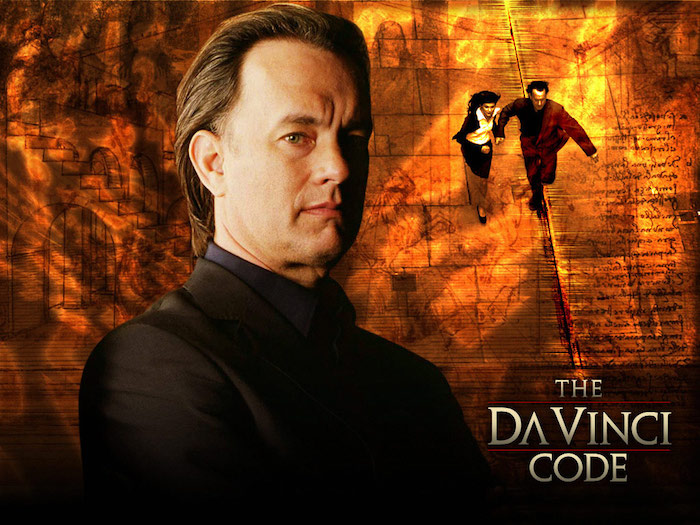
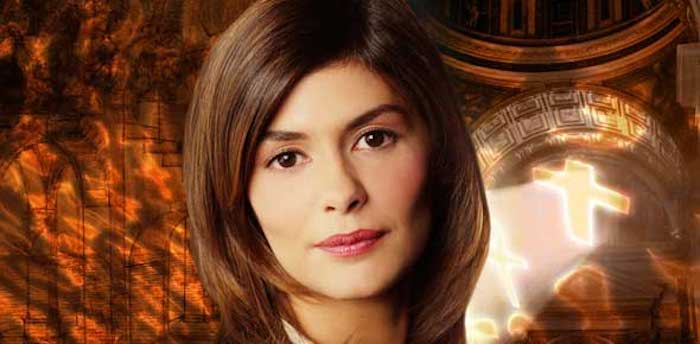
ولعل خير دليل على ذلك، موقف الرقابة من “شفرة داڤنشي” فهذا فيلم من ذلك النوع المسمى بأفلام التشويق، موضوعه مستمد من قصة بنفس الاسم، حققت حينما نشرت مبيعات منقطعة النظير.

الواقع والخيال

فيها طرح مؤلفها الأديب الامريكي “دان براون” فكرة قوامها خيال جامح، عماده أن السيد المسيح، على نقيض ما جاء في الأناجيل الأربعة تزوج من “مريم المجدلية” التي أنجبت له ابنة، لايزال بعض أحفاد أحفادها يعيش بيننا، وإن كان في السر والخفاء.

وحتى لا يلحق أي منتسب إلى ذريتها أذى تكونت جماعة سرية هدفها احاطة أمر وجودها بسياج من الكتمان الشديد.

وكان بين أعضائها، على مر العصور، مشاهير مثل: “ليوناردو داڤنشي”، “اسحاق نيوتون” و”فيكتور هيجو”.

إذن فالفيلم، والحق يقال، يتمحور حول فكرة خيالية، ترجمها إلى لغة السينما “رون هوارد”، ذلك المخرج الامريكي الذي سبق له الفوز، قبل ثلاثة أعوام، بجائزتي أوسكار، هو وفيلمه “عقل جميل”.

ولم يزعم “هوارد” في ترجمته لقصة “بروان” مع كاتب السيناريو “اكيتا جولدسمان” الفائز هو الآخر بجائزة أوسكار أفضل سيناريو عن “عقل جميل”، أقول لم يزعم أنه صاحب رؤية صحيحة للدين. ولا صاحب رسالة علمية مثل “جاليليو” الذي ركب المخاطر، عندما قال منذ بضعة قرون أنه اكتشف عكس ما كانوا يعتقدون، أن الأرض ليست ثابتة، وإنما تدور.

اثم الظن السيئ

فكان جزاؤه عن ذلك العقاب وبئس المصير من قبل قوم، دأبوا على الخلط بين الرأي والإيمان.

ومع ذلك، اساءت الرقابة الظن بالفيلم، كما اساء به الظن غلاة المعادين لحرية التعبير فحتى قبل مشاهدته هرولت الرقابة من منطلق الفزع الشديد إلى سحب ترخيصها بالعرض العام لمقدمات الدعاية للفيلم رغم أن هذه المقدمات كانت خالية تماماً مما قد يشير سواء بالتصريح أو التلميح إلى موضوع السيد المسيح.

عدوان على القانون

ولم تكتف الرقابة بذلك العدوان على حرية التعبير بل تمادت في غيها إلى حد الاعلان بلسان رئيسها أنه من المفترض ألا يصرح بعرض دعاية لأي فيلم إلا بعد مشاهدة نسخته الأصلية والترخيص لها بالعرض العام.

وهذا الاعلان مؤداه حظر عرض المقدمات، حتى ولو كانت غير مشوبة بأي عيب من العيوب المنصوص عليها في القوانين المنظمة للرقابة على المصنفات الفنية، وهو ما يعد، ولا شك، أمراً مخالفاً لروح تلك القوانين. اللافت للنظر أنه منذ اقتراب موعد عرض الفيلم عالمياً، والتليفزيونات لا تمل من مناقشته، وعرض الأفلام الوثائقية عنه، مستعيدة بعض الفصول من “شفرة داڤنشي”، القصة المستمد منها الفيلم.

واللافت كذلك أن هذا السيل التليفزيوني ترافق مع سحب اعلانات عرض الفيلم من أغلب دور السينما في الدول العربية، حيث كان محدداً لعرضه يوم السابع عشر من شهر مايو.

والسؤال : ما جدوى المنع بعد هذا السيل؟

‘Da Vinci’ unlikely to pass Egypt censors

“The Da Vinci Code,” the film based on Dan Brown’s best-selling book, will not be seen in Egypt when it is released worldwide Friday. Nor will the long-awaited film play in Jordan or Lebanon, which banned Arabic translations of the book. Observers here blame fears that the film’s controversial take on Christ’s life will fan sectarian tension. The thriller posits the idea that Jesus married Mary Magdalene and their heirs exist today in secret. Christian-Muslim relations in Egypt are especially strained after two deadly clashes in Alexandria, the country’s second largest city. Youssef Sidhom, editor of a Christian newsweekly, thinks many Egyptians may view the film as “a conspiracy against Christianity.” But he opposes banning it, which he expects would provoke more curiosity – and a greater demand for pirated copies. “If the movie was green-lighted by the censors, it would be criticized by the Coptic Church,” Egyptian film critic Sherif Awad said. Coptic Christians make up 10 to 15 percent of Egypt’s 73 million people. Moustafa Darwish worked as a film critic and directed government censorship in the 1960s. He recalls “many films (that) had something to do with religion… were forbidden,” although he felt they contained “nothing against public order or morals.” Films showing “the face or voice of a prophet or his disciples” were routinely banned, he says. Darwish was fired because he allowed movie trailers of Elizabeth Taylor’s “Cleopatra” (1963), “Who’s Afraid of Virginia Woolf?” (1966) and “The Taming of the Shrew” (1967) to run in Egyptian theaters. At the time, Taylor was considered a “Zionist agent,” he said, laughing. Religious films are always controversial, and “Da Vinci Code” has stirred debate and criticism from clergymen worldwide. Jordan’s Council of Churches urged the government to ban the film, according to the official Petra news agency. Council secretary-general Hanna Nour said the film tarnishes the memory of Christian and Islamic figures and “contradicts the truth as written in the Bible and the Quran about Jesus.” A 1976 film, “The Message,” about the Muslim prophet Muhammad, remains banned in Egypt, according to Darwish. Mustafa Akkad, the film’s Syrian producer-director (and executive producer of many of the “Halloween” films), died in a 2005 terrorist attack in Amman, Jordan. Egypt’s censors, a shadowy group, have long been part of filmmakers’ and critics’ lives. “In 1954 and ’55,” Darwish said, “(American director) Cecil B. DeMille came to Egypt for the movie ‘The Ten Commandments.’ The crossing of the Red Sea, where the Egyptian army drowned and the Israelis crossed – all that was filmed in Egypt. We gave them our army (to film it).” But some Egyptians claimed the film was used as Zionist propaganda, playing in New York just days after Israel’s invasion of the Egyptian Sinai in 1956. “So we banned it, and until now it is banned. See? Made in Egypt, and banned in Egypt,” he said, shaking his head. “The Devil’s Advocate,” starring Al Pacino, played in Cairo theaters briefly in 1997, according to film critic Awad. But Pacino’s final climactic speech as the devil was not subtitled in Arabic, and the film was soon banned. Mel Gibson’s controversial “Passion of the Christ” (2004) hit screens here only after Egyptian Christians pressured the film’s local distributor to pass it by censors, he said. Last year’s “Kingdom of Heaven,” a portrayal of the Crusades and the battle for Jerusalem, played here to favorable reviews. Darwish explains the lines of reasoning weighing against “Da Vinci” opening in Egypt: “One is that the film will be sent here after the agents are sure it will be approved by the censors. Two, the producers decided not to send it here because the agent advised that it could be banned. … Basically, it is self-censorship.” Government censorship director Ali Abu Shadi insisted censors have not seen the film, adding: “We cannot ban it if a copy hasn’t come to us.” Allied Film Distributors, the film’s local agent, removed movie trailers and publicity material from Cairo theaters. “The company in America has to decide whether we are going to offer it or not because of a 90 percent chance it will be banned,” said Allied spokeswoman Nevene Refaat. Awad thinks “Da Vinci” could earn $350,000 to $520,000 in Egypt, calling that “big money” for a foreign film. Ticket prices here typically range from $1 to $4. For now, Bahrain, Israel, Kuwait, Oman, Qatar and the United Arab Emirates are the only Middle Eastern countries scheduled to show “Da Vinci” upon its release. “The only thing to fear is fear itself,” Darwish said, quoting Franklin Roosevelt. “Here in the Middle East, there is more fear than ever.”

Betsy Hiel – Middle East correspondent for the Pittsburgh Tribune
This website stores cookies on your computer. These cookies are used to provide a more personalized experience and to track your whereabouts around our website in compliance with the European General Data Protection Regulation. If you decide to to opt-out of any future tracking, a cookie will be setup in your browser to remember this choice for one year.

Accept or Deny